

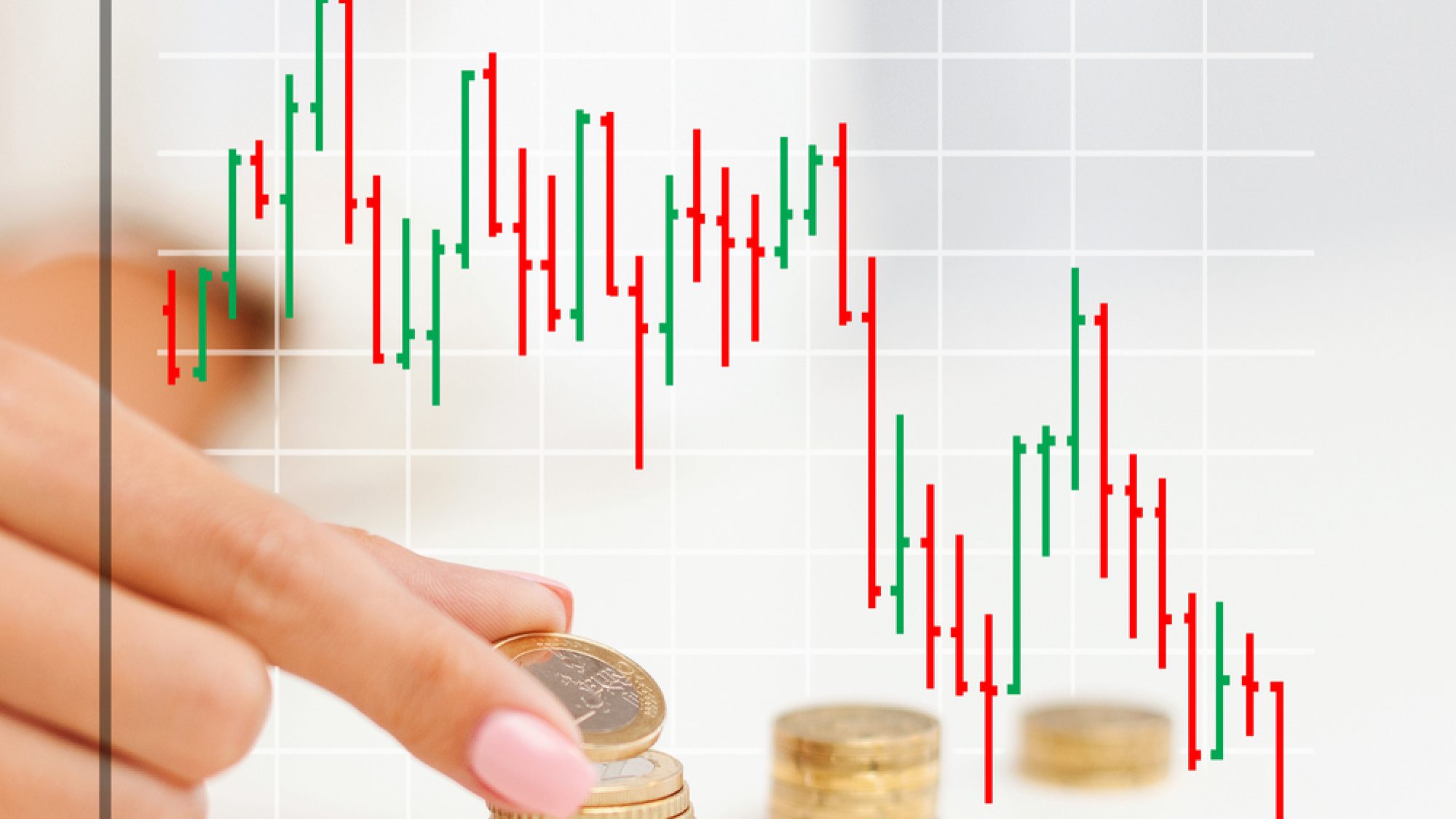
Well, strap in folks! The world of finance has certainly seen better days, wouldn’t you agree? The fallout of Silicon Valley Bank’s (SVB) turbulent turn continues rippling throughout our economy, leaving an air of uncertainty dense enough to slice with a warm butter knife. The feds did step in, sure – but for many, the question still lingers: can we fully trust our banking, stock, and housing markets anymore?
Listen up, it’s critical to keep your head held high and your ears to the ground. With that in mind, let’s unravel this financial spaghetti, shall we? We’ll break down what the largest U.S. bank failure since the 2007-2008 financial maelstrom means for your hard-earned cash.
So here’s the scene: Last Friday, SVB ultimately collapsed under its own weight, landing with a thud into the arms of the government. The bank placed all their chips on lending to tech startups and venture capital-backed firms, banking (pun entirely intended!) on the returns from safe investments like good ol’ Treasury bonds. But, you know what they say about best-laid plans…
Ironically, the once-steady, now ordinary-Joe-shaking Federal Reserve turned up the heat with interest rate hikes aimed at wrestling colossal inflation to the ground. The result? SVB’s once golden egg-laying Treasury bonds took a nosedive. To top it all off, clients ran for the hills, leaving SVB to sell off investments at huge losses to meet these withdrawal demands. This, ladies and gents, lit the fuse of panic.
In a similar turn of events, poor Signature Bank also found itself slammed shut by those pesky regulators as anxious depositors made a break for it.
Now you’re probably wondering, “What did the government do about this shindig?” Here’s the answer:
Ahem…the Federal Deposit Insurance Corporation (FDIC), otherwise known as the Feds’ financial firefighting squad leaped into action, promising to fully safeguard all deposits at SVB and Signature – topping their typical insurance limits. An act of heroism or a controversial bailout? Ah, the debate rages on but let’s remember, dear reader, that this lifeline isn’t tied to your taxpayer dollars and is less a bulky institution protector, more your average-depositor defender.
Moving slightly across the pond, the stock price of Swiss banking firm, Credit Suisse, took a tumble when its largest shareholder, probably heartbroken or simply tired, passed on the opportunity to inject more capital. On U.S. shores, First Republic Bank felt the tremors from SVB and Signature’s downfall. Yet, in classic “keep calm and carry on” spirit, big shots like JPMorgan, Citigroup, and Bank of America swooped in with fund deposits to bolster First Republic’s sway.
“Okay, but is my money safe?” I hear you asking. Most likely, yes. The FDIC does have you covered (tip: check their website or call them if you want to confirm your bank’s status), insuring up to $250K per account type, per individual, at each institution. This is why opening accounts at different FDIC-insured banks can act as an extra financial buffer.

Remember, though, FDIC’s safety net won’t save your investments in stocks, bonds, cryptocurrencies, or safe deposit boxes. Make sure to peek at FDIC’s own resource page for the nitty-gritty details.
As Shakespeare might say, however, this is much ado about nothing. Gregory Germain, smarty pants law professor at Syracuse University, stands by the opinion that little reason exists for us to fear another financial Armageddon (phew!). He hits a note of caution, however, that the Federal Reserve needs to tread lightly with future interest rate hikes.
The potential of a recession too hasn’t completely disappeared. An estimable group of Goldman Sachs economists recently nudged the odds from 25% to 35%. They cite that the lion’s share of blame lies with “increased near-term uncertainty around the economic effects of small bank stress.” Lovely.
So, in this pulsating and tempestuous world of finance, “what does all this mean for the stock market?” I hear you calling out across cyberland.
Well, dear reader, the stocks have been quite the rollercoaster. SVB’s fall gave them a black eye and while some have recovered, the wider stock market seems to be having a bit of a sit down.
Do we see this bull market nearing its grazing pasture? That’s the million-dollar question! Some wise old owls at Invesco caution of disruptions to a potential market recovery, while the soothsayers at Morgan Stanley paint a “pessimistic” future.
The spotlight now turns to the Federal Reserve’s upcoming moves. They still hold the keys to both investors’ wallets and potential homeowners’ dreams. Before SVB’s untimely fall, the Fed dropped heavy hints of more interest rate hikes. Will the recent banking crisis cause the feds to rethink their strategy? Only time will tell!
All we can do now is wait, watch, and hope that a new financial dawn waits for us. It’s not over until the fat lady sings, right?
That’s all folks! Thanks for coming along on this financial rollercoaster, it’s been real! Pop by again for more number crunching, wealth tracking, and of course, some good ol’ banter. Stay informed, make wise decisions, and keep your chin up. As the saying goes, every cloud has a silver lining!