


Welcome to Dollar Scholar—From MySpace to Money Moves
Hey there, fellow financial adventurers! You’ve stumbled into Dollar Scholar, the personal finance newsletter crafted by yours truly, a 27-year-old who’s still very much in the “figuring it all out” phase of life—peppered with plenty of awkward financial blunders and, of course, adorable dog pics to soothe the sting.
Each week, I bug brave financial experts with one of my burning money mysteries. Stuff like: “What on earth happens if I don’t have a 401(k)?” or “How many credit cards should a non–jet-setting millennial really juggle?” Then, as I untangle the answers, I pass along straightforward strategies you can immediately stash in your own financial toolkit. Spoiler: There may also be pugs.
Check out this slice from the 27th installment of Dollar Scholar, and if you haven’t already, subscribe for more wisecracks, wisdom, and wallet-growing insights in your inbox every Wednesday. Because who couldn’t use a little more money magic midweek?
A Blast from the Past—and a Banking First
Let’s take a quick detour down memory lane, shall we? When I think about my teens, a few seismic moments pop up. First, there was the literal rite of passage that was creating my MySpace profile. You laugh now, but back then? It was the social equivalent of earning your Hogwarts letter. I sent out bulletins, curated my “top eight,” and—oh, the pride—tweaked that background song until my friends begged for mercy.
But right up there with building my glitzy online persona was another major leap: scoring my first debit card. My mom and grandma flanked me at the bank near Chili’s (all fine financial institutions live next to a chain restaurant, right?). We filled out the forms; I blushed at awkward questions. When the banker handed over my shiny card, it felt like someone had handed me the keys to the kingdom. My own money. My own rules. Power, baby!
So imagine my gobsmacked horror—pure betrayal, honestly—when I learned just a few months ago that some people barely use their debit cards at all. My own editor, for one, is a devout rewards hacker, putting literally everything (maybe even his morning coffee?) on a credit card to rack up points.
Should I Drop My Debit Card?
That revelation had me spiraling: Should I break up with my trusty debit card, too?
Enter John Ulzheimer, a bona fide credit whiz (who’s worked with small outfits like FICO and Equifax—no biggie), who wasted no time. “Switching from debit to credit is a very good idea,” he said, not even pausing for effect.
Now, I’m nothing if not loyal (just ask the half-dozen MySpace friends I never demoted), but John made some pretty compelling arguments. Credit cards, for starters, pack much better fraud protection than debit cards. But as with most grown-up things, the devil’s in the details—so buckle up for a lightning round of legalese.
Debit vs. Credit: What Actually Happens If You Get Hacked?
If a scammer snags my DEBIT card digits and goes wild, the fallout is basically governed by the Electronic Fund Transfer Act. Here’s the rundown: report the funny business before money vanishes, and you’re fine. Tell your bank within two business days—worst case, you’re dinged $50. Wait a little longer (within 60 days of your statement) and the max loss rockets to $500. Stubborn denial for more than 60 days? Prepare to hand over your entire account—yes, the losses are unlimited. *Cue horror movie soundtrack*
But let’s flip the script: if my CREDIT card gets compromised, the Fair Credit Billing Act rides to my rescue. Let the issuer know pronto, and you owe nothing; drag your feet, and you’re still shielded by a $50 cap. In practice, nearly all major card companies now guarantee zero liability. This includes the big kids—American Express, Mastercard, Visa, and Discover. So if someone breaks into your sweet points stash, it’s sweat off the bank’s brow, not yours.
That key difference in urgency matters a lot, as Ulzheimer points out. “With debit cards, it’s your cash that disappears,” he says dryly. “With credit cards, it’s the bank’s money at risk.” Who knew I’d ever be rooting for a giant financial institution to take the risk for me?
There’s more: credit cards help you build credit history (vital for everything from snagging an apartment to nabbing low insurance rates down the road) while debit cards are a non-factor for your credit score. Oh, and then there are rewards. Free flights? Concert tickets? Cold, hard cash back for doing, well, nothing? I mean, who wouldn’t want a piece of that pie?
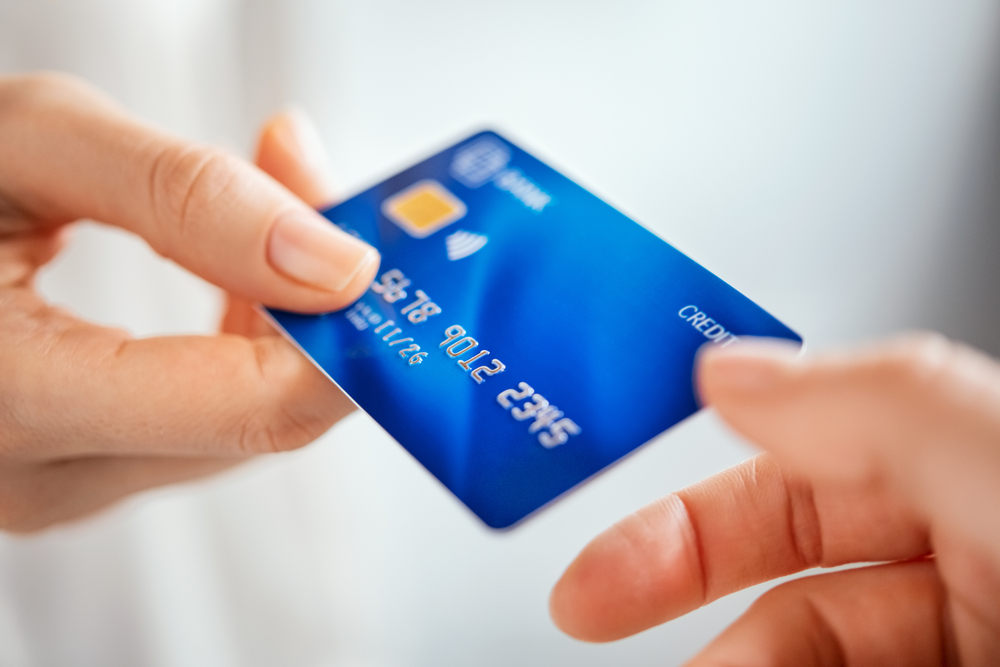
But Wait—Is Debit Ever the Hero?
Of course, let’s be fair—my beloved debit card isn’t totally obsolete. According to a 2018 survey from bigwig payment processor TSYS, 54% of folks still gravitate toward their debit cards, for everything from groceries to late-night Taco Bell. Only about 26% are team credit card. I guess old habits (and maybe a deep fear of late fees) die hard.
Cyndie Martini (no relation to James Bond’s favorite drink, I assume), who helms Member Access Processing, told me there’s a method to this debit madness. Because you can only spend what’s actually in your account, debit can actually save you from yourself. People who tend to go a little wild with spending or who dread a sky-high card balance each month might be better off sticking with debit—it’s like training wheels for your bank account.
Martini’s verdict? “Be honest with yourself about your spending, your lifestyle, your budget, and your income. If you don’t trust yourself to always pay the full balance on time, debit might be the safe bet.” Solid advice, even if it does mean trading in that shiny rewards card for a healthy dose of self-control. Sigh.
My Verdict: Give That Debit Card a Nap (But Pay Your Credit, Always)
At the end of the (very long) day, I’m officially giving my trusty debit card a bit of a break—and showing my credit card some love. Fraud protection, free stuff, credit-building? Yes, please. I just have to keep myself in check and, very importantly, treat my balance as sacred: pay in full, always, no excuses, not even for new shoes. If you’ve mastered basic financial discipline, this one’s seriously a no-brainer.
As Ulzheimer puts it (and let’s face it, he’s seen every financial doomsday out there): “If you’re disciplined, there’s really no contest between the two. Credit cards come out on top—no question.” And who am I to argue with FICO’s finest?
Image by Peter Ardito